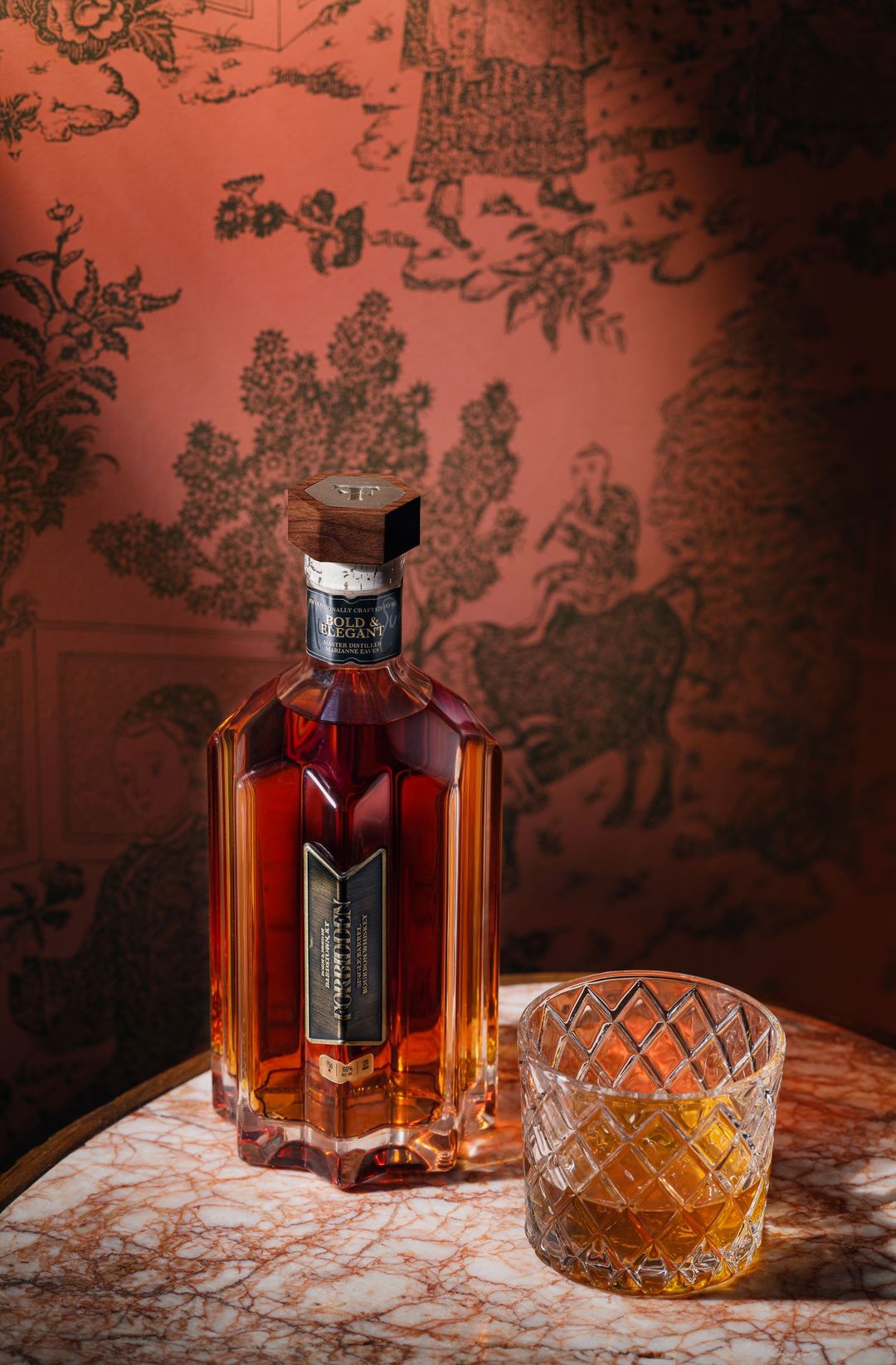
Walk into any neighbourhood whiskey bar on a Friday night and you’ll hear it — guests circling a glass of bourbon, searching for the right words. “Smoky?” “Sweet?” “Something… toasty?” Learning how to talk about bourbon has quietly become part of the social fabric for tasting groups, supper clubs and local distillery tours, and it turns out the vocabulary is easier to pick up than most newcomers think.
Flavor is personal, but language is what lets us share it — whether you are chatting with friends at a tasting flight, choosing a bottle for a neighbour’s birthday, or simply enjoying a quiet pour at home. A little structure goes a long way.
What does wheated bourbon taste like?
One of the most common questions newcomers ask is what to expect from a wheated bourbon. Wheated bourbons swap the traditional rye in the mash bill for wheat, softening the edges and letting other flavors step forward. The result is usually smoother, rounder and slightly sweeter. Expect notes of vanilla, caramel and gentle fruit, with spice taking more of a supporting role.
Distillers using white wheat in particular tend to produce a velvety mouthfeel and a layered character that balances sweetness with subtle grain depth. Each sip feels approachable, but never one-note.
A simple map for talking about bourbon
Local bartenders often teach a three-part framework that anyone can use:
- Aroma: the first impression — vanilla, oak, caramel, baking spice, or even a hint of fruit.
- Palate: how the flavours unfold across the tongue — sweetness from corn, creaminess from wheat, spice from rye and oak.
- Finish: the lingering aftertaste, which may be warming and smooth, or carry notes of toasted grain or baking spice.
The framework is just a starting point. There is no right or wrong description — only what you taste and how you choose to share it.
From tasting notes to conversation
Small-batch and single-barrel releases tend to invite this kind of exploration. Small-batch expressions usually emphasise balance and harmony across aroma, palate and finish, while single-barrel bottlings highlight the individuality of each cask, with one barrel leaning toward caramel and oak and another revealing soft fruit or spice.
These are not just technical notes for bartenders. They are entry points for conversation — a way to understand why one pour feels comforting on a cool evening and another feels bold beside a steak.
Building confidence one sip at a time
Learning how to describe bourbon is less about memorising terms and more about trusting your senses. Whether you describe a glass as silky, layered or softly spiced, you are already speaking the language of whiskey appreciation. So the next time a friend at the bar asks, “what does this taste like?”, you can answer with more than a shrug — you can share a story, one sip at a time.